
Insights
Articles on fashion traceability, transparency, and digital product passports.
-

The Purpose Isn't Better Data. It's Better Decisions.
Fleur Meerman - van den Heuvel on why fashion traceability and DPP readiness depend on governance, trust and a risk-based approach, not just more data.
-

How technology is stitching together textile and fashion traceability
RAIN Alliance CEO Aileen Ryan on choosing the right Digital Product Passport data carrier: QR, NFC and RAIN RFID, and building on the retail infrastructure already in place.
-

From Compliance to Competitive Edge: How Traceability Is Becoming Retail's Most Valuable Asset
How UK and EU retailers are turning supply chain traceability from a compliance exercise into a strategic asset that drives ROI, reduces waste, and builds consumer trust.
-

The DPP Paradox: Navigating a Project Between Homes
Why the Digital Product Passport is an organisational problem before a technology one, and the three tensions fashion leaders must navigate.
-
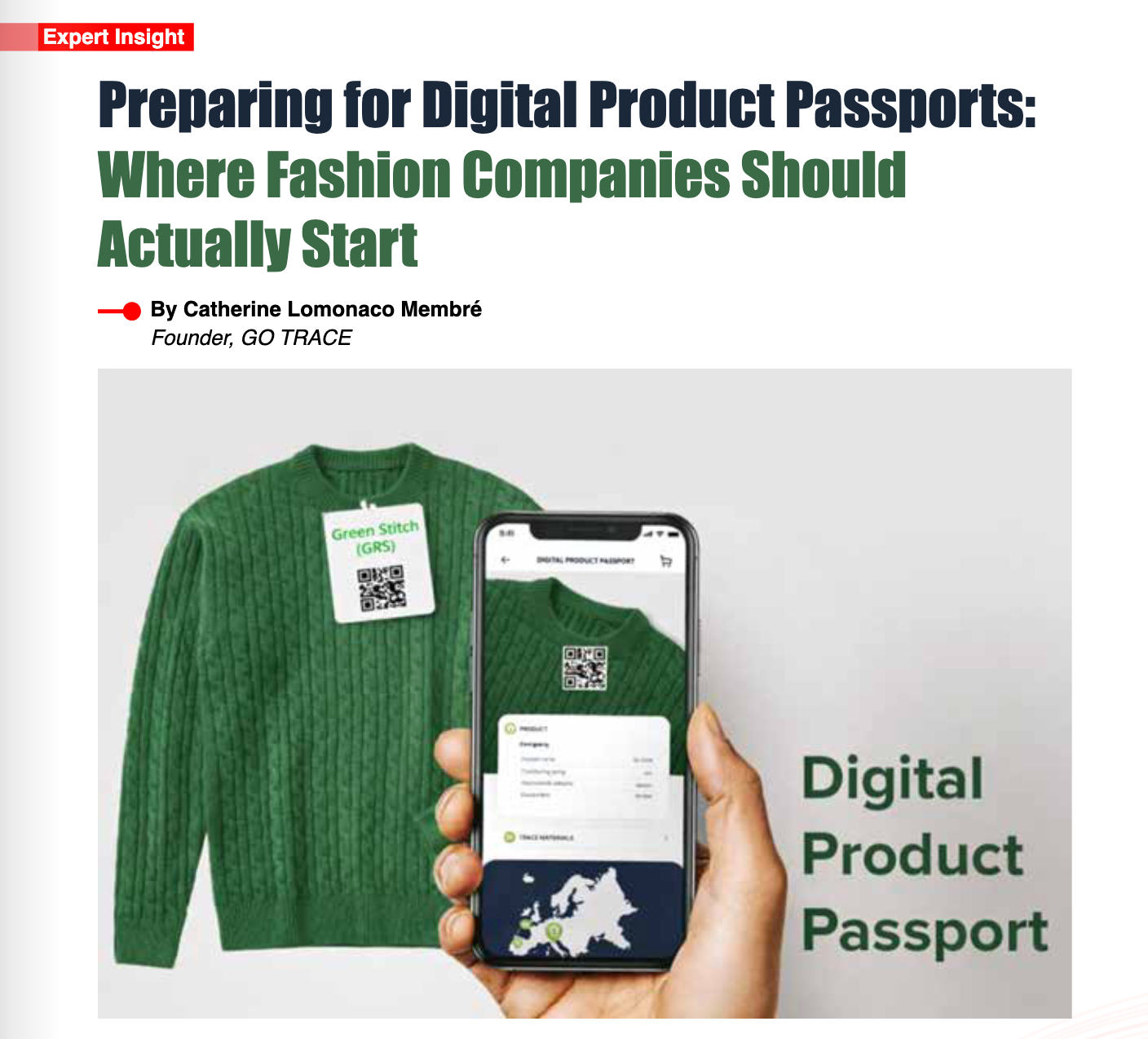
Preparing for Digital Product Passports: Where Fashion Companies Should Actually Start
Practical groundwork behind DPP readiness: mapping existing data, clarifying internal ownership, and running a focused pilot before choosing tools.
-
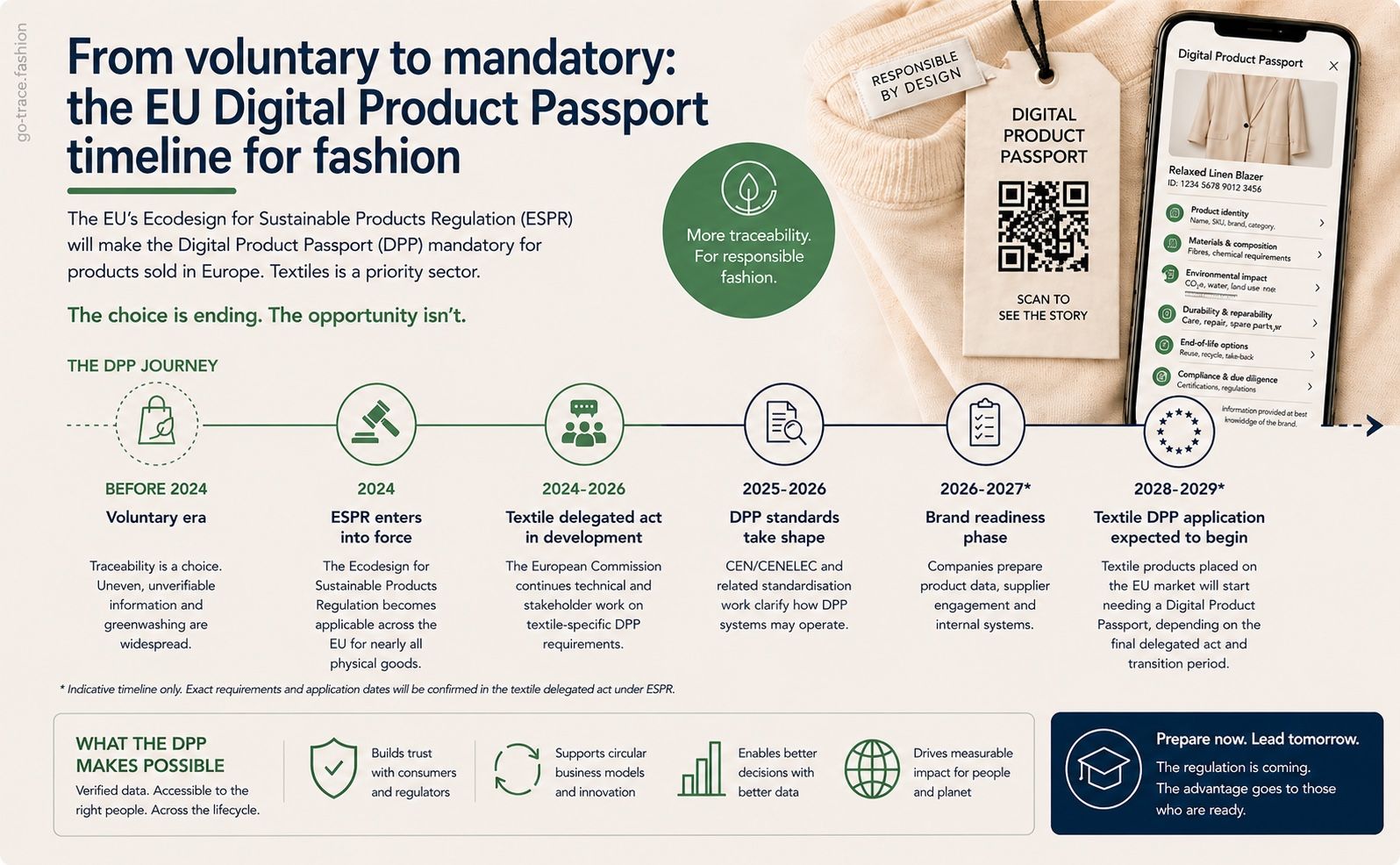
From voluntary to mandatory: the EU Digital Product Passport timeline for fashion
How the EU's Ecodesign for Sustainable Products Regulation (ESPR) turned textile traceability from a differentiator into a legal requirement, and what fashion brands need to know to prepare for the Digital Product Passport.
-
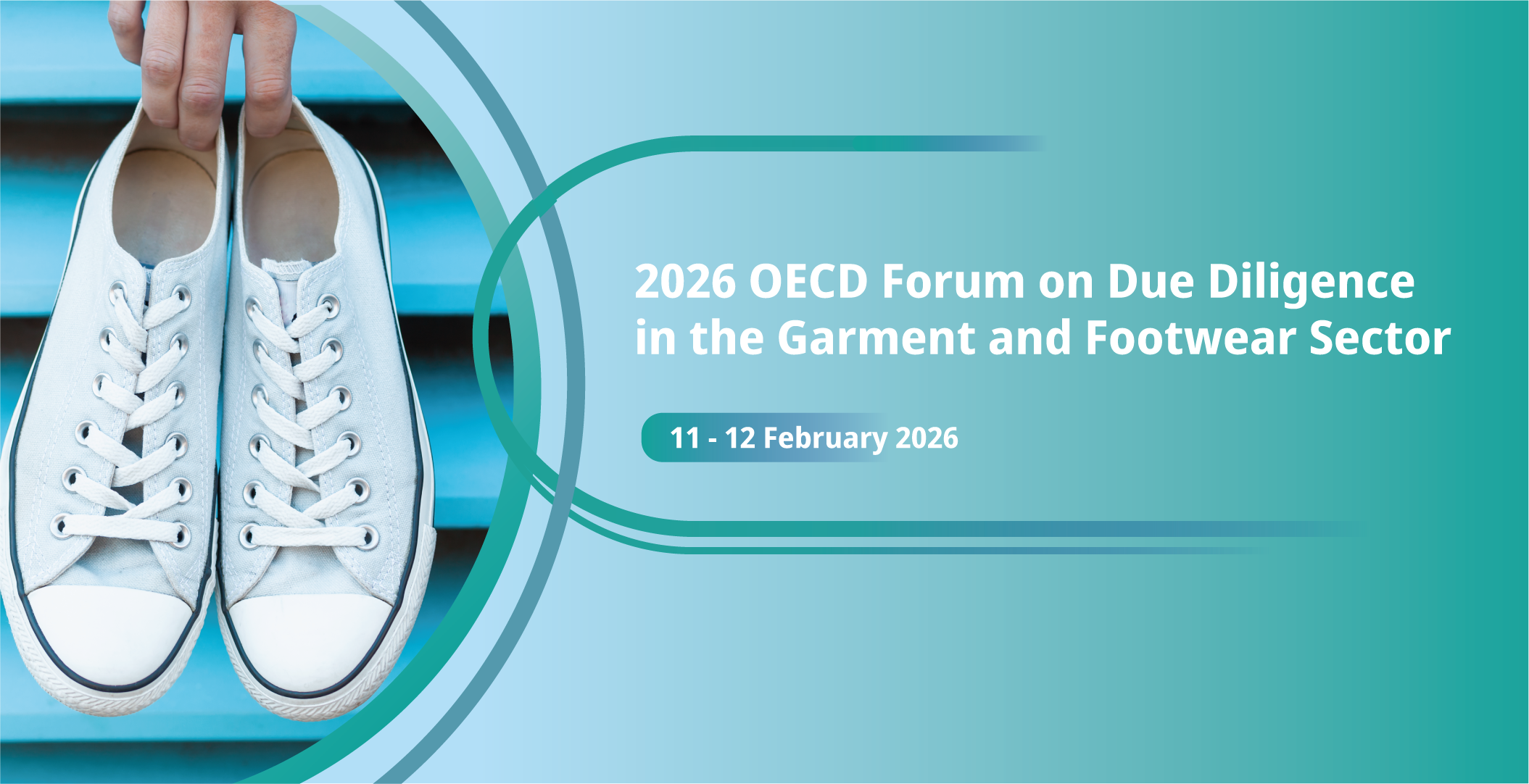
GO TRACE at the OECD Forum on Due Diligence
Side session “Digital Product Passports and OECD Due Diligence in Fashion Supply Chains” at the “OECD Forum on Due Diligence in the Garment and Footwear Sector”
-

Interview with Marlene P. Naicker, founder of MULDOONEYS
An exclusive GO TRACE interview with Marlene P. Naicker on how MULDOONEYS is redefining luxury through traceability, transparency, and sustainability.
-

Traceability at the French Footwear Federation
The French Footwear Federation, on enhancing traceability and transparency in the footwear industry.
-

Catherine Dauriac on traceability and the future of fashion
Catherine Dauriac, President at Fashion Revolution France, explains how traceability in fashion drives sustainability, transparency, and ethical practices while meeting consumer demands and regulatory requirements.
-

Traceability and transparency: table stakes in fashion today
Explore how traceability and transparency have evolved from competitive advantages to essential requirements in fashion, as AI and technology reshape supply chain accountability in the global market.
-

Bridging Material Integrity and Digital Product Passports
Exploring how Digital Product Passports and material tracers enhance transparency, sustainability, and traceability in the recycled textile industry.
-

Untangling the threads: transparency in cotton supply chains
Brands face growing demand for supply chain transparency in cotton sourcing. Collaboration, data-driven platforms, and verified sustainability metrics are key to building trust and meeting regulatory requirements.
-
Traceability and transparency: legal challenges for fashion
The legal challenges fashion and textile firms face on traceability, product origins, international standards, and environmental and human-rights obligations.
-

Tackling Audit Fatigue: A Call for Unity in the Fashion Industry
How the STAR Network's position paper reframes audit fatigue in fashion. Its real costs, the myths around it, and the case for streamlining audits under HREDD.
-

Sustainability requires universal access to traceability tools
Why universal access to traceability tools matters for sustainable fashion, how transparent, traceable supply chains reshape the industry and empower consumers.
-

Ethical and deforestation-free leather
Exploring ethical leather production, this article discusses the supply chain challenges, emphasizing traceability and blockchain for responsible sourcing and environmental sustainability.
-
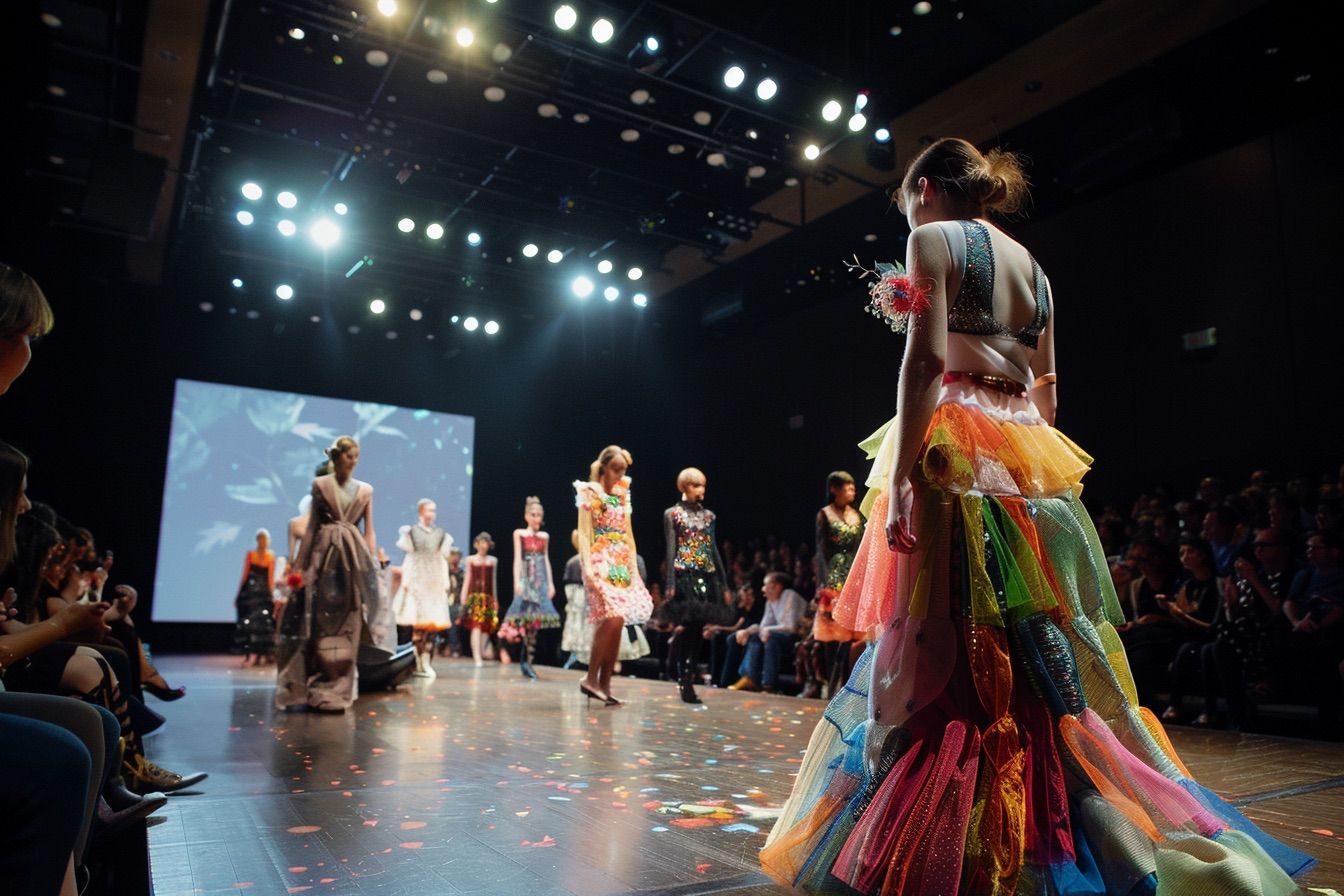
Sustainable Fashion: A Closer Look at Transparency
A look at fashion brands' sustainability disclosures: transparency is rising but outcome reporting lags. The case for stricter standards to back genuine claims.